July 30, 2025
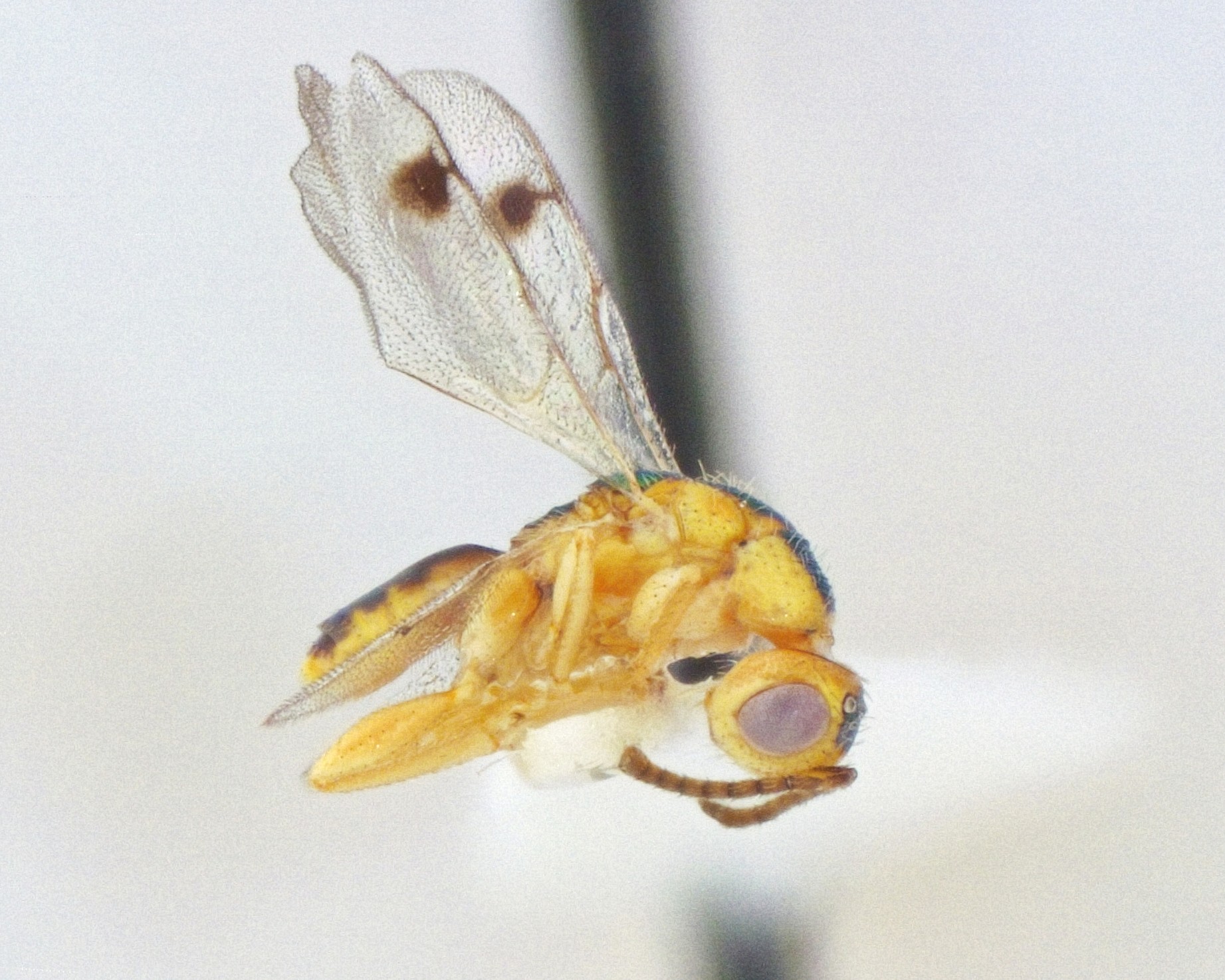
New Paper in Journal of Hymenoptera Research
We published on two non-native Bootanomyia parasitoid wasps introduced to North America — tracing their origins and asking whether non-native parasitoids matter ecologically.
Read the paper
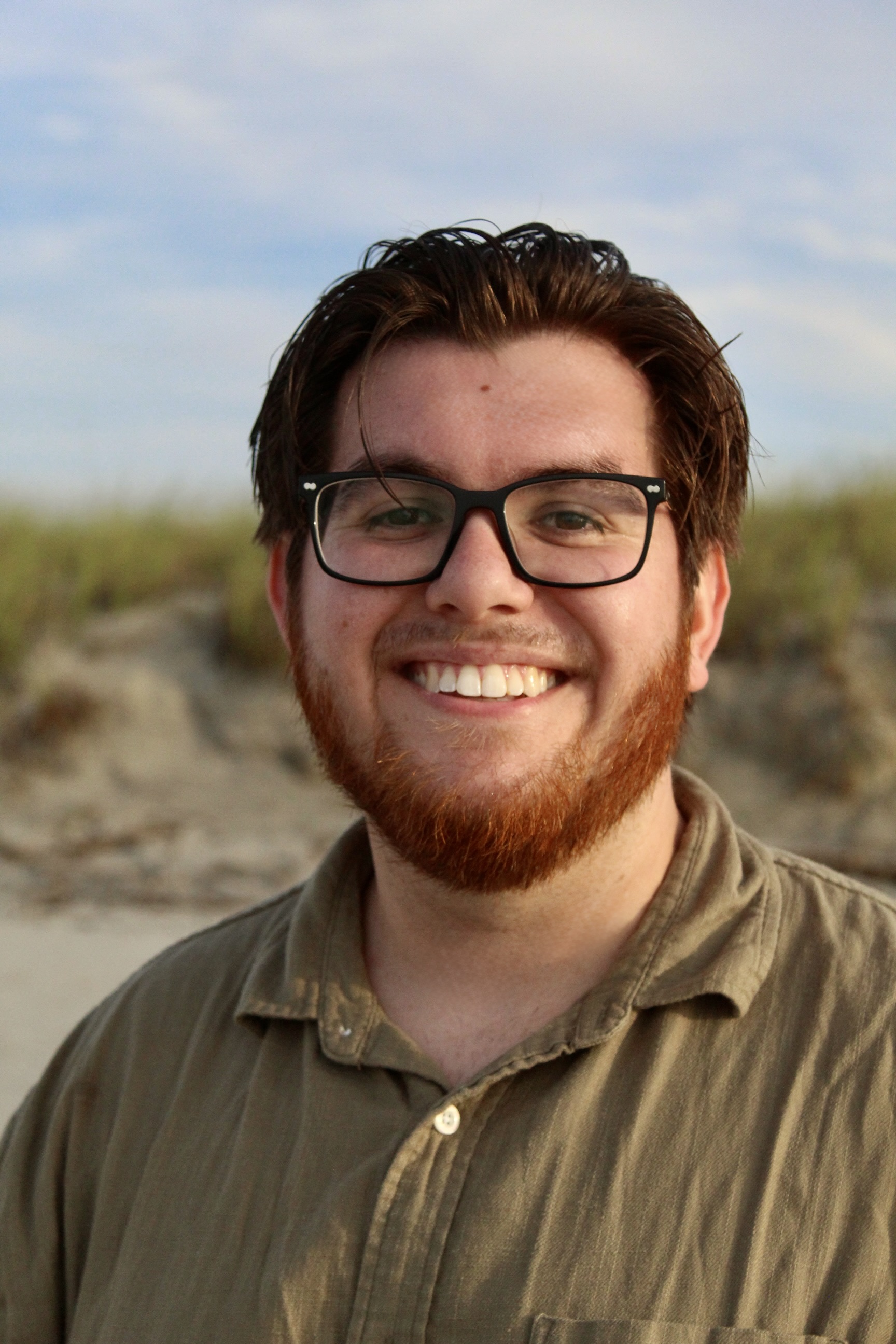
PhD Candidate in Integrated Biology at the University of Iowa
Entomology · Evolutionary Ecology · Speciation
I am a fourth-year PhD candidate at the University of Iowa studying integrated biology. My central focus is the diversity of parasitic insects and how host associations and host shifting can explain the history of speciation and biodiversity. My work sits at an intersection of evolutionary ecology, phylogenetics, and systematics.
While parasitic wasps, and their hosts, are my core interest at the moment, I have experience with other insects. Some of my previous work has involved cicadas, predatory beetles, and grain pests. Additionally, my experience with these insects has, historically, come from a lens of conservation and biocontrol.
Outside of research, I have a few different hobbies. Recently, I've started practicing, and competing, in saber fencing. I also spend a lot of time baking and experimenting in the kitchen, collecting and listening to vinyls, & reading science fiction or historical nonfiction.
I aim to guide students to think logically and empathetically about the world around them and encourage them to apply what they learn with respect to nature and others.
I believe a good teacher chooses compassion over challenge and values effort over output.
I am committed to creating environments where students engage with foundational biological principles through real-life examples, practical experiences, and honest conversations about ethics in science.
My approach to teaching draws on the ideas of social constructivism. I believe that students learn best when they build understanding collaboratively using meaningful examples and activities with a teacher who scaffolds rather than simply lectures.
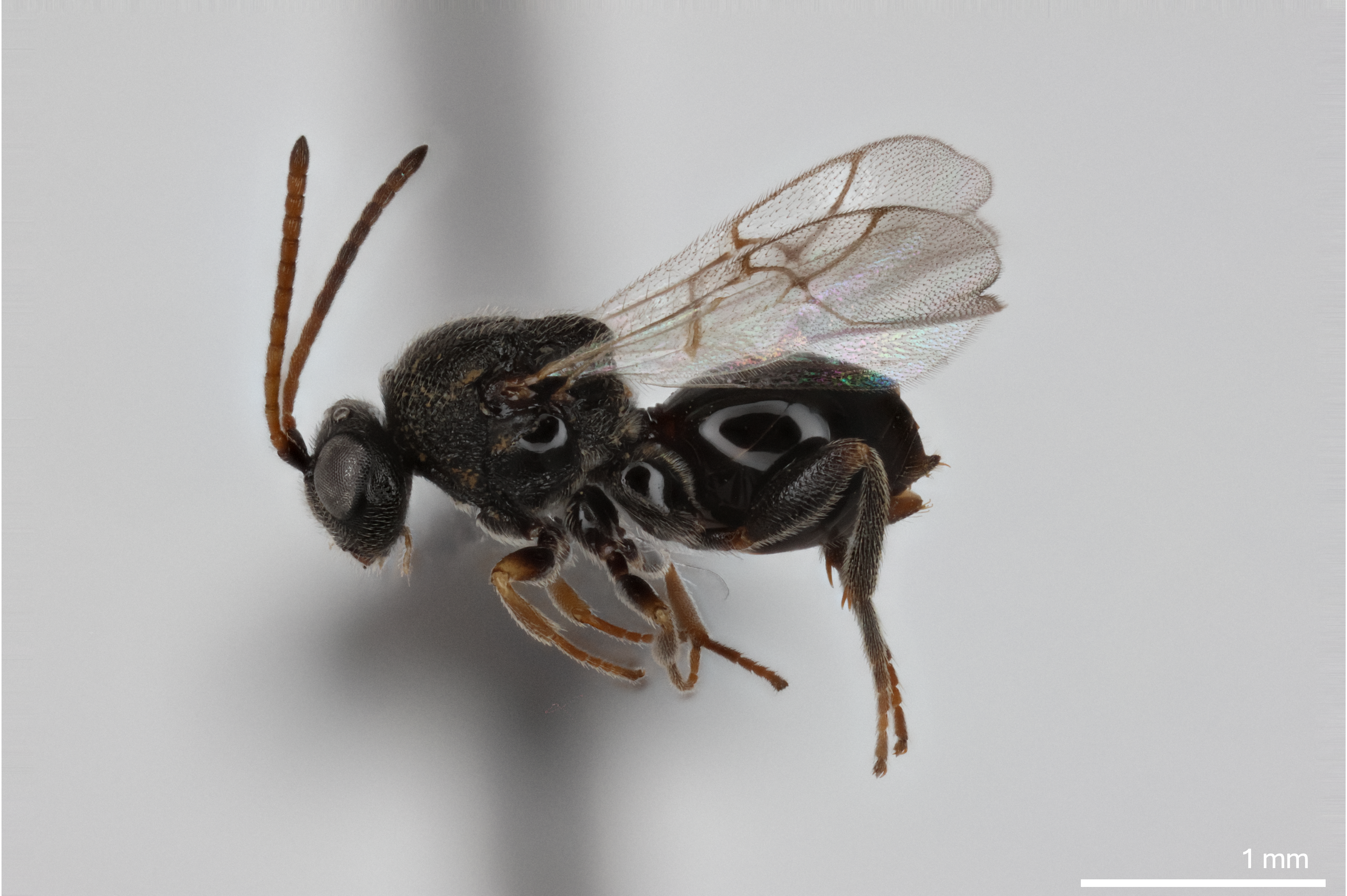
I am interested in how host-associated insects accumulate into the staggering diversity we see today. Phytophagy and parasitism together account for roughly 40% of described animal diversity on Earth. One compelling explanation for this diversity is divergent ecological speciation. As insect species shift to new host species, trade-offs between ancestral and derived environments drive divergent selection on behavioral, phenological, and morphological traits. These may erect reproductive isolating barriers that could result in the origin of new species.
While these mechanisms are well-documented in isolated host-parasite pairs, it remains unclear how variation among parasites affects the likelihood and specific drivers of speciation. I address this by studying many parasites interacting with many hosts simultaneously, asking whether different parasites diversify along the same ecological axes. In other words, whether the "rules" of speciation are general among parasitic wasps.
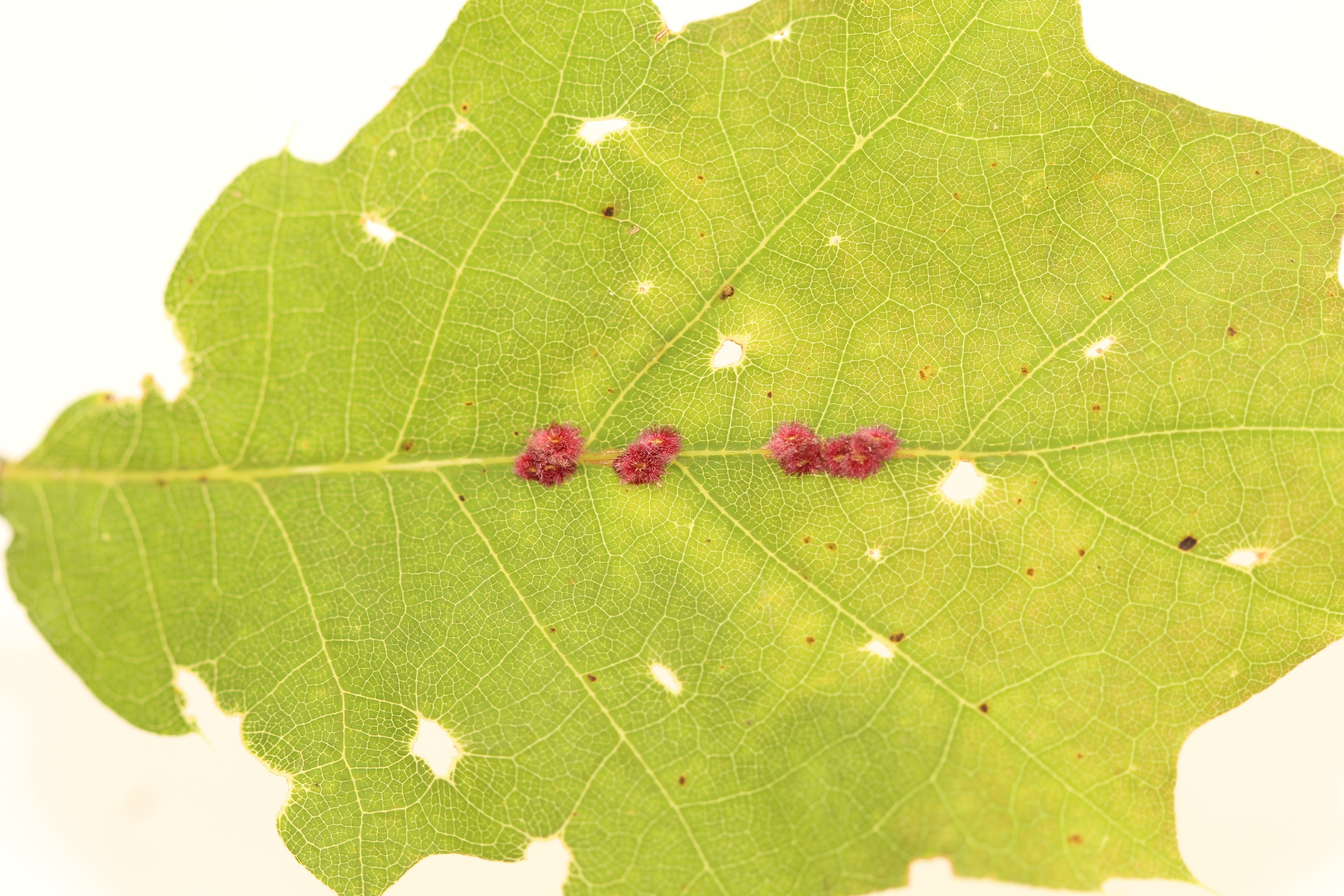
My focal system is oak gall wasps (Hymenoptera: Cynipini), whose galls attract a rich community of invaders. These parasites exhibit three different forms of parasitism: 1) kleptoparasites that consume gall tissue, 2) parasitoids that attack and result in the death of the gall wasp larva, and 3) hyperparasitoids that attack and kill the parasitoids. I am interested in how these different feeding ecologies interacts with the physical dimensions of galls to shape divergence across the community.

University of Iowa · Prof. John Logsdon. Lead weekly workshops for approx. 20 undergraduates; facilitated active-learning exercises in phylogenetics, population genetics, and natural selection; guest lecturer for coevolution.
University of Iowa · Prof. Andrew Forbes. Two sections, Fall 2023.
Graduate coursework in evidence-based instructional design, learning objective development, and iterative assessment design.
Department of Biology, University of Iowa. Mentoring undergraduates in research design, specimen collection, and data analysis.
Parks and Recreation Department. Taught members of the Iowa City community how to identify, collect, and preserve insects.
I am also involved in public outreach around native biodiversity and oak gall ecology through the Cynipini Larval Sequencing Project on iNaturalist.
July 30, 2025
We published on two non-native Bootanomyia parasitoid wasps introduced to North America — tracing their origins and asking whether non-native parasitoids matter ecologically.
Read the paper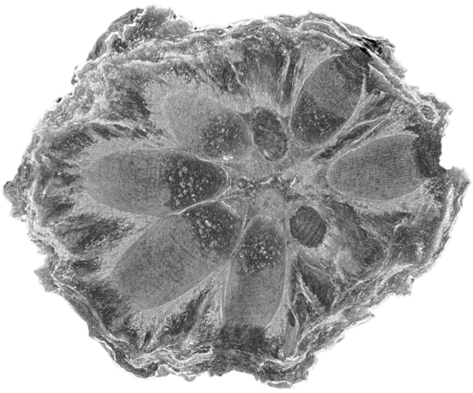
November 7, 2024
I presented new genetic and micro-CT evidence for reconsidering the ecological niche of Euceroptres parasites (Hymenoptera: Figitidae) in oak galls.
Monday Nov. 11 · 8:40 AM · Room 222B, PCC